


Dewatering Pump Supplier
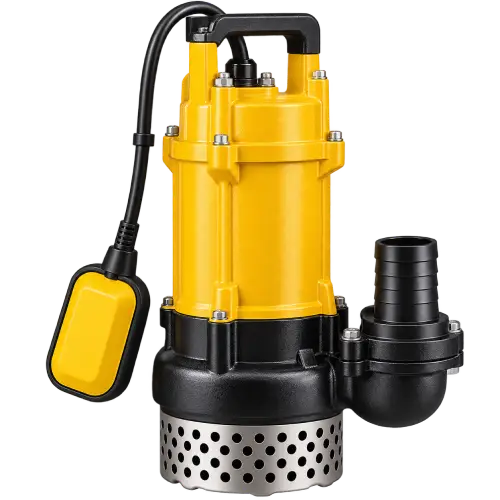
Sohum Industrial Sales Corporation is a trusted Dewatering Pump Supplier in West Bengal, Kolkata, Odisha, Chhattisgarh, Bihar, Arunachal Pradesh, Assam, Manipur, Meghalaya, Mizoram, Nagaland, Tripura, Bhutan serving construction companies, industrial establishments, infrastructure contractors, mining projects and utility applications across Eastern and Northeastern India. Dewatering Pumps are used to remove unwanted water from locations where accumulation can interfere with construction, maintenance, excavation or regular operations.
From foundation pits and underground structures to industrial sumps and drainage areas, water can collect from rainfall, groundwater seepage, leaking systems or other sources. A suitable dewatering arrangement helps transfer this water away from the working area and maintain a more manageable site condition.
Product Highlights
Dewatering Pumps can be selected in different configurations depending on the volume of water and conditions at the pumping location.
Key characteristics may include:
- Designed for water-removal duties
- Suitable for construction and industrial sites
- Different flow capacities
- Various delivery-head options
- Electric motor-driven configurations
- Compact models for restricted work areas
- Suitable for temporary or regular drainage duties
- Different discharge connection sizes
- Options for sump and excavation applications
- Easy integration with suitable discharge pipelines
The final pump selection should be based on actual site conditions rather than capacity alone.
What Makes Dewatering Pumps Special?
- The purpose of a dewatering pump is different from that of a pump used primarily for process circulation or domestic water supply. Its job is to move accumulated water away from a location quickly enough to keep the area usable.
- Construction sites are a good example. Rainwater or groundwater may enter an excavation and make it difficult for workers and equipment to operate. A suitably sized Dewatering Pump can transfer the collected water to a designated drainage or discharge point.
- The required pump capacity will depend on how quickly water enters the area and how much water needs to be removed.
Product Dimensions & Ratings
Dewatering Pump specifications vary according to the application. Important parameters include:
Parameter | Selection Basis |
Pump Type | Dewatering Pump |
Flow Rate | Based on expected water accumulation |
Delivery Head | According to discharge height |
Motor Power | Selected according to duty |
Discharge Size | Matched with discharge piping |
Pump Size | Based on installation conditions |
Operating Method | Continuous / intermittent |
Water Condition | Clean / slightly contaminated, as applicable |
Installation | Sump / pit / excavation / drainage area |
Exact dimensions and ratings should be confirmed for the selected model.
Performance Advantages
An appropriately selected Dewatering Pump can help maintain workable conditions in areas affected by unwanted water. This is particularly valuable when construction or maintenance activities cannot proceed efficiently in a waterlogged environment.
Depending on the application, the pump can support:
- Faster removal of accumulated water
- Better control of excavation water levels
- Reduced disruption caused by rainfall
- Drainage of low-lying work areas
- Water removal from industrial sumps
- More convenient site maintenance
Actual performance will depend on flow demand, pumping head, pipe arrangement and water inflow.
Major Applications
- Construction and Excavation
Dewatering is frequently required during foundation work, basement construction, trenching and excavation. Pumps can be used to clear collected water and help maintain a workable area.
- Mining Operations
Mining sites may encounter groundwater and accumulated surface water. Suitable pumping systems can assist with drainage from designated areas.
- Industrial Plants
Factories may require dewatering equipment for sumps, pits, utility areas and locations where water accumulates unexpectedly.
- Underground Structures
Basements, tunnels and underground service areas can require water removal during construction or maintenance.
- Infrastructure Projects
Roads, bridges, drainage works and other civil projects may encounter water accumulation that needs to be controlled before work can continue.
Selecting the Right Dewatering Pump
A pump should be chosen according to the actual water-removal requirement. Before purchasing, consider:
- Water inflow: Estimate how much water is entering the area within a given period.
- Required discharge: Determine how quickly the water needs to be removed.
- Pumping head: Measure the vertical lift between the water collection point and the discharge location.
- Pipe arrangement: Pipe diameter, length and bends can affect the pumping requirement.
- Water condition: Check whether the water contains mud, sand, suspended particles or other material.
- Operating duration: Decide whether the pump will run occasionally or for extended periods.
Installation Considerations
The pump should be positioned appropriately within the collection area, with the discharge line arranged toward a suitable drainage or disposal point. Electrical connections should be properly protected, particularly when operating equipment around water. Where the water contains significant quantities of mud, sand or solids, a pump specifically designed for those conditions should be considered rather than a standard clean-water model.
Quality You Can Trust
Sohum Industrial Sales Corporation focuses on supplying Dewatering Pumps according to the requirements of the intended application. Customers can discuss site conditions, water volume, discharge distance and operating requirements before selecting a suitable configuration. This application-based approach is useful for construction contractors, industrial maintenance teams and infrastructure project managers.
Why Choose Sohum Industrial Sales Corporation?
Sohum Industrial Sales Corporation offers:
- Dewatering Pump options for different applications
- Support for construction and industrial requirements
- Assistance with pump selection
- Different flow and head configurations
- Bulk supply for project requirements
- Industrial product sourcing support
- Service across Eastern and Northeastern India
- Customer-focused procurement assistance
Reliable Dewatering Support for Project Sites
Water accumulation can delay excavation, affect equipment movement, and create difficulties for workers. Having an appropriately sized pumping arrangement can therefore be an important part of site planning. Sohum Industrial Sales Corporation supplies dewatering solutions for projects requiring temporary water removal as well as applications involving recurring drainage requirements.
Cost-Effective Dewatering Pump Solutions
The price of a Dewatering Pump depends on factors such as motor rating, discharge capacity, head, construction, discharge connection and configuration. Project quantity and application-specific specifications can also influence the overall cost. Customers can provide their required flow, head, water condition and quantity to receive a suitable quotation.
Customer Queries
It is used to remove unwanted or accumulated water from construction sites, excavations, sumps, basements, industrial areas and other locations.
Yes. Suitable models are commonly used for removing rainwater, groundwater and accumulated water from excavations and other work areas.
The expected water inflow, required discharge rate, pumping head and discharge-pipe arrangement should be considered together.
Some pumps are designed for water containing suspended material, but the pump must be specifically suitable for the actual solids and water conditions.
Yes. The company supplies across West Bengal, Kolkata, Odisha, Chhattisgarh, Bihar, Arunachal Pradesh, Assam, Manipur, Meghalaya, Mizoram, Nagaland, Tripura, Bhutan.
Contact Sohum Industrial Sales Corporation
For Dewatering Pumps, capacity selection, technical specifications, pricing, replacement requirements or bulk project orders, contact Sohum Industrial Sales Corporation. Share your site conditions, required flow, pumping head and water characteristics for suitable product assistance.


