

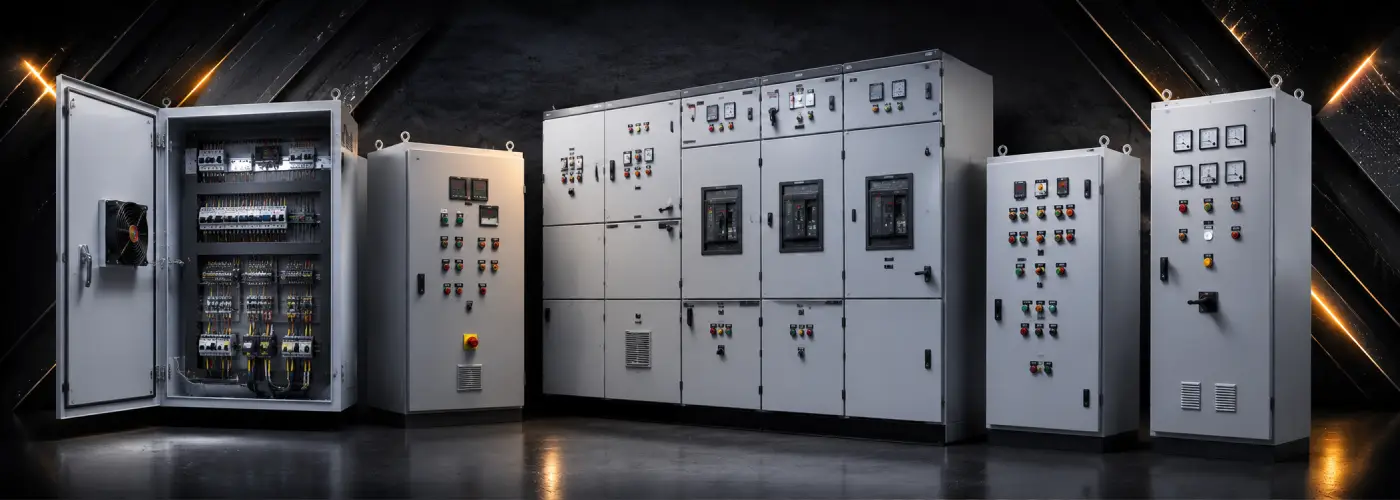
Electrical Panels Supplier
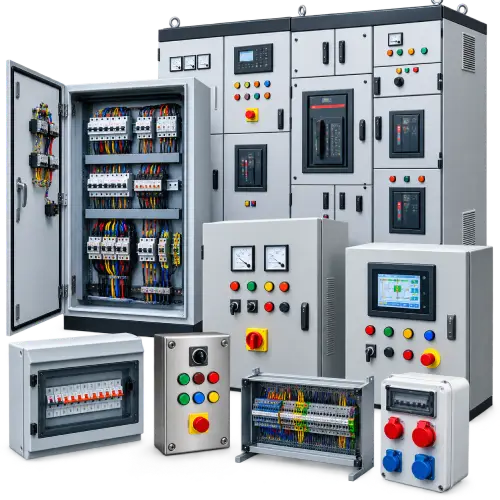
Sohum Industrial Sales Corporation supplies a comprehensive range of electrical panels for industrial, commercial, infrastructure, utility and renewable-energy applications. The product range covers LT Control Panels, HT Panels, Distribution Boards, PCC Panels, Automation Panels, PLC Panels, Solar Panels, MCCB Distribution Panels, and Control & Relay Panels.
Electrical panels are engineered around the electrical load, system voltage, fault level, protection requirements, control philosophy and installation environment. For low-voltage assemblies, IEC 61439 defines requirements covering construction, technical characteristics, service conditions and verification; the applicable part of the standard depends on the type of assembly.
One Panel Range for Power, Protection and Process Control
An electrical panel is more than an enclosure containing circuit breakers. It brings together switching devices, busbars, protective equipment, metering, control components, terminals and wiring into an organised electrical system. Depending on its purpose, a panel may distribute incoming power, protect downstream circuits, control motors, execute automation logic, monitor electrical parameters or interface renewable-energy systems with the electrical network.
Our Electrical Panel Product Range
LT Control Panels
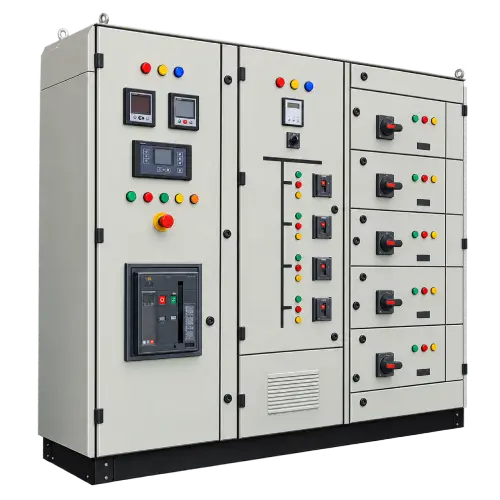
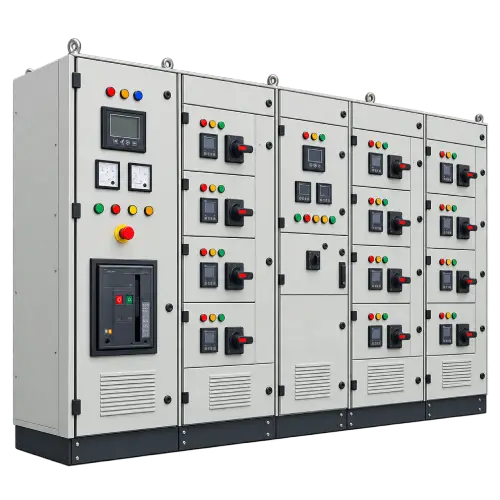
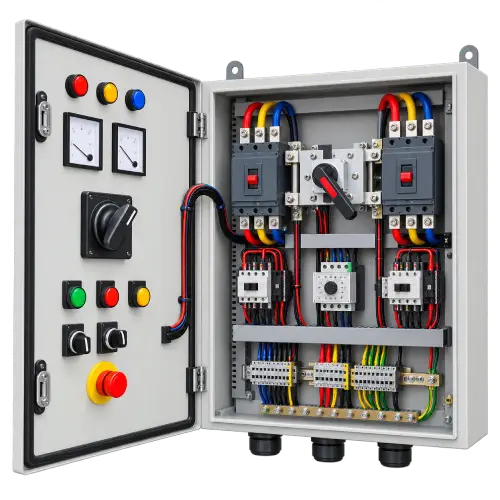
LT Control Panels are used for low-voltage power distribution and control applications. They can be configured with ACBs, MCCBs, MCBs, contactors, relays, meters, CTs, busbars and other electrical accessories according to the project requirement.
Typical applications:
- Industrial power distribution
- Manufacturing facilities
- Commercial buildings
- Utility systems
- Pumping installations
- HVAC and infrastructure projects
For low-voltage assemblies, IEC 61439 covers assemblies up to 1,000 V AC or 1,500 V DC within its stated scope.
HT Panels
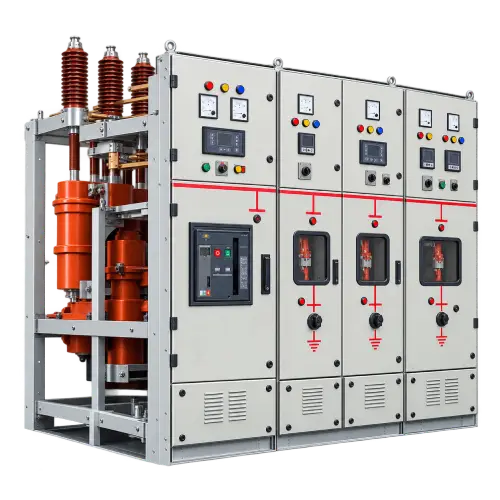
HT Panels are designed for medium/high-voltage electrical distribution and switching applications, depending on the system voltage and applicable equipment standards.
Typical configurations can include circuit breakers, protection relays, CTs, PTs/VTs, busbars, metering and interlocking arrangements.
Applications include:
- Industrial substations
- Power distribution systems
- Transformer incomers and feeders
- Large manufacturing plants
- Infrastructure projects
- Utility installations
HT panel selection requires careful consideration of rated voltage, short-circuit level, insulation requirements, protection coordination and site conditions.
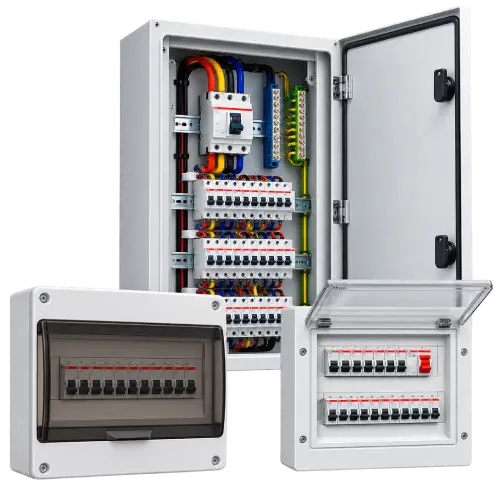
Distribution Boards (DB Panels)
Distribution Boards divide electrical power into multiple outgoing circuits while providing individual circuit protection.
They are commonly configured with MCBs, RCCBs, RCBOs, MCCBs, SPDs and associated neutral and earth arrangements.
Suitable for:
- Offices
- Residential buildings
- Commercial complexes
- Industrial areas
- Lighting circuits
- Small-power distribution
IEC 61439-3 specifically addresses distribution boards within defined rated-current limits, including outgoing circuits not exceeding 125 A and an assembly rated current not exceeding 250 A.
Power Control Centers (PCC Panels)
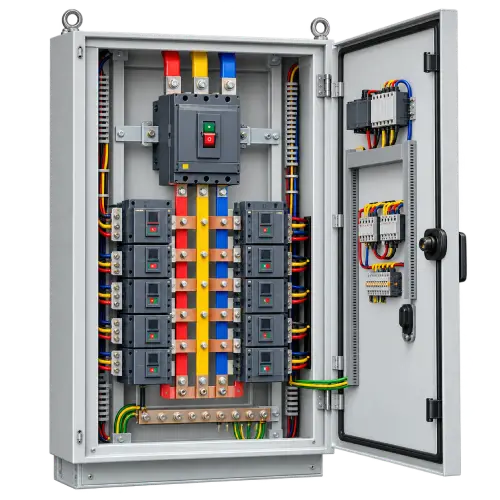
PCC Panels act as major power distribution points within industrial and commercial electrical systems. They generally receive power from an incoming source and distribute it through multiple outgoing feeders.
A PCC may incorporate:
- ACB or MCCB incomers
- Bus coupler
- Copper or aluminium busbars
- Outgoing MCCBs
- CTs and metering
- Protection devices
- Surge protection
- Indication and monitoring equipment
PCC design is normally based on the connected load, diversity, fault level, incoming supply arrangement and downstream feeder requirements.
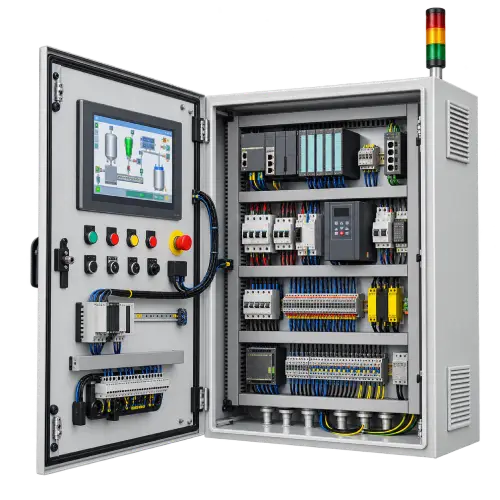
Automation Panels
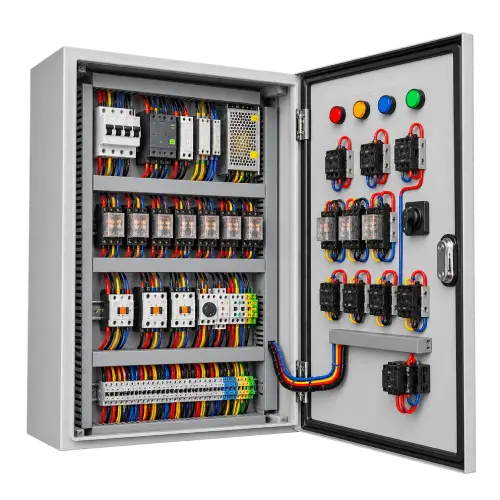
Automation Panels bring together electrical control and automation hardware required to operate machines or processes.
Depending on the application, these panels may contain:
- PLC or controller
- HMI
- SMPS
- Relays
- Contactors
- Terminal blocks
- Communication equipment
- Sensors and I/O interfaces
- Control circuit protection
They are commonly used in manufacturing, process plants, water treatment, material handling and machine automation.
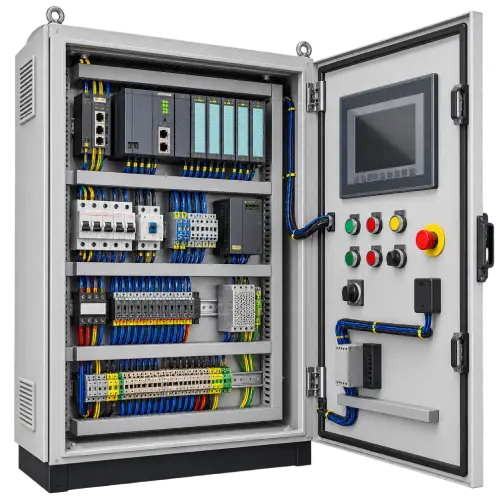
PLC Panels
PLC Panels are dedicated control assemblies built around a Programmable Logic Controller. The PLC receives signals from field devices, processes programmed logic and sends commands to connected equipment.
A typical PLC panel may include:
- PLC CPU
- Digital and analogue I/O modules
- 24V DC power supply
- Communication modules
- Ethernet switches
- Interposing relays
- Terminal blocks
- HMI interface
- Control circuit protection
PLC systems are particularly useful where a plant requires sequence control, monitoring, alarms, interlocking or communication with SCADA and other automation systems.
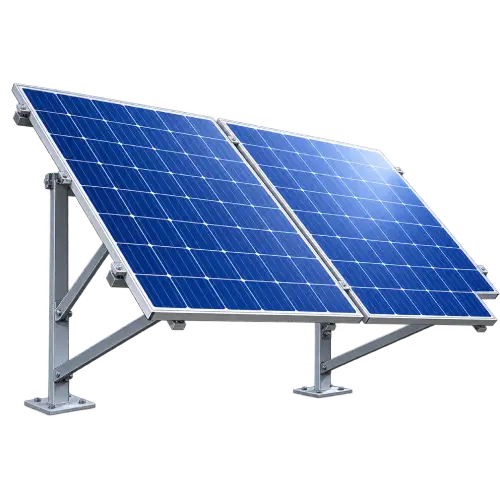
Solar Panels
For electrical-panel applications associated with solar installations, panels can be configured around the requirements of photovoltaic power systems.
Depending on the system architecture, solar electrical panels may incorporate:
- DC isolators
- String protection
- DC fuses
- DC surge protection
- Combiner arrangements
- AC protection
- MCCBs
- Monitoring components
- Earthing provisions
PV installations require appropriate equipment selection for the DC voltage, current, number of strings and inverter configuration.
MCCB Distribution Panels
MCCB Distribution Panels use Moulded Case Circuit Breakers as primary protection and switching devices for outgoing circuits.
They are suitable where circuit ratings are higher than those normally handled by small MCB-based distribution arrangements.
Common applications include:
- Industrial feeders
- Commercial electrical systems
- Motor feeders
- HVAC systems
- Large lighting installations
- Utility distribution
- Plant auxiliary systems
Control & Relay Panels
Control & Relay Panels are used where electrical equipment requires dedicated protection, monitoring, indication and control functions.
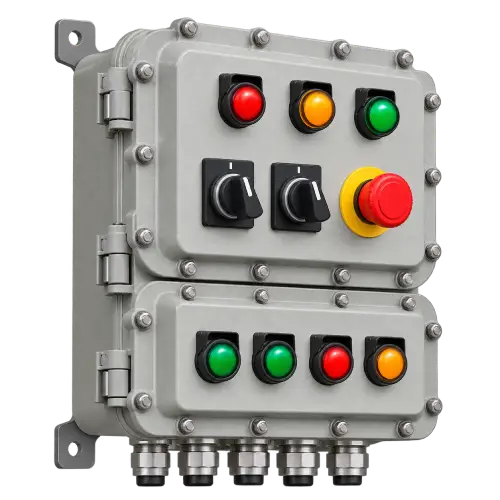
These panels can accommodate protection relays, auxiliary relays, timers, annunciators, meters, selector switches, push buttons and terminal blocks.
They are particularly relevant to substations, transformer protection systems, switchgear and industrial electrical installations.
Technical Reference Chart for Electrical Panels
The values below are indicative design ranges rather than fixed specifications. Final ratings must be established from the approved single-line diagram, load schedule, fault calculations and project specifications.
Panel Type | Typical System | Typical Voltage | Common Protection / Control | Main Application |
LT Control Panel | Low Voltage AC | Up to 1000 V AC | ACB, MCCB, MCB, SPD | Power distribution & control |
HT Panel | Medium/High Voltage | Project dependent | VCB, protection relays, CT/PT | Substations & HT distribution |
DB Panel | Low Voltage | 230/415 V AC | MCB, RCCB, RCBO, MCCB | Final/sub-distribution |
PCC Panel | Low Voltage | Commonly 415 V AC | ACB, MCCB, metering | Main power distribution |
Automation Panel | Control & Automation | 230 V AC / 24 V DC control | PLC, HMI, relays, SMPS | Process & machine control |
PLC Panel | Automation | 230 V AC / 24 V DC | PLC, I/O, communication modules | Automated processes |
Solar Panel Assembly | PV DC / AC | System dependent | DC isolator, fuse, SPD, MCCB | Solar power systems |
MCCB Distribution Panel | Low Voltage | Commonly 415 V AC | MCCB, metering, SPD | Higher-current feeders |
Control & Relay Panel | Control/Protection | Project dependent | Relays, meters, annunciation | Protection & monitoring |
For low-voltage power switchgear and controlgear assemblies, IEC 61439-2 specifies requirements for assemblies up to 1,000 V AC or 1,500 V DC and covers applications including generation, distribution, conversion and control of electrical energy.
Important Parameters Considered Before Panel Selection
A correctly specified panel begins with the electrical system rather than the enclosure size. Important parameters include:
- Rated operational voltage
- Rated current
- Short-circuit withstand capability
- Frequency
- Number of incomers and outgoing feeders
- Busbar material and rating
- Required degree of ingress protection
- Internal separation/form of separation
- Cable entry arrangement
- Metering requirements
- Protection philosophy
- Control voltage
- Ambient temperature
- Indoor or outdoor installation
- Available space
- Future expansion requirements
IEC guidance specifically emphasises defining the characteristics and options required for an assembly so that the manufacturer can design the assembly around the user’s application.
Construction Features That Influence Panel Performance
A panel’s internal arrangement is just as important as its external appearance. Depending on the project, construction may involve fabricated sheet-steel enclosures, segregated compartments, removable gland plates, copper or aluminium busbars, insulated busbar supports and dedicated cable chambers.
The panel can also be designed with suitable ventilation, natural or forced cooling, earthing provisions, access arrangements and maintenance clearances.
For outdoor installations, enclosure protection and environmental suitability should be considered carefully rather than selecting an IP rating independently of the actual installation conditions.
Applications Across Different Industries
Sohum Industrial Sales Corporation supplies panel solutions for a wide variety of applications, including:
- Manufacturing plants
- Steel and metal industries
- Cement plants
- Power and utility projects
- Water and wastewater treatment
- Infrastructure projects
- Commercial buildings
- Hospitals
- Hotels
- Warehouses
- Solar power installations
- Process industries
- Machine automation
- Pumping stations
- HVAC systems
- Institutional facilities
Why Sohum Industrial Sales Corporation?
Sohum Industrial Sales Corporation provides a broad panel portfolio for customers who need power distribution, protection, automation and control equipment from a single sourcing point. The company can support requirements ranging from LT and HT electrical distribution to PLC-based automation, PCC systems, DBs, MCCB panels, solar electrical panels and control & relay assemblies. Panel requirements can be evaluated according to the project’s electrical load, application, installation environment and required protection/control arrangement.
A Panel Should Be Selected Around the System of Not the Other Way Around
Every electrical installation has its own load profile, fault level, operating conditions and control requirements. A panel designed for a small commercial building cannot simply be treated as equivalent to a heavy industrial PCC or a PLC-based automation assembly. That is why Sohum Industrial Sales Corporation offers a diversified range of panel solutions that can be matched to the intended application. From incoming power distribution and feeder protection to automation and process control, the right panel architecture can contribute to safer operation, easier maintenance and better system organization.


