

Solar Panels Supplier
Product Profile
Sohum Industrial Sales Corporation supplies Solar Panels for residential, commercial, industrial, institutional, agricultural and project-based solar power requirements. Our solar panel solutions are intended for installations where dependable electricity generation, efficient use of available space and long-term outdoor operation are important considerations.
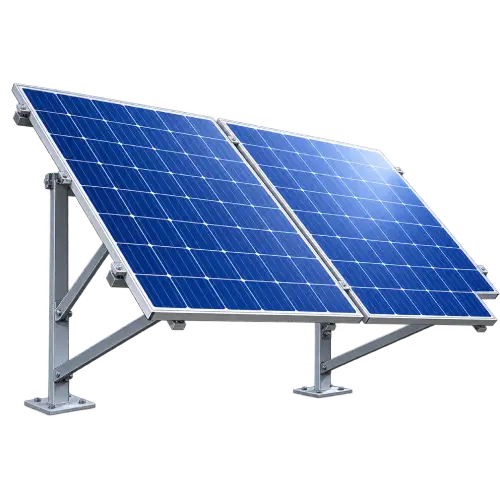
Solar panels convert sunlight into electrical energy through photovoltaic cells. A complete solar installation may combine panels with solar inverters, mounting structures, DC cables, connectors, protection equipment, batteries and other balance-of-system components according to the project design.
For B2B procurement, selecting a solar panel is not simply a matter of choosing the highest wattage. Module technology, dimensions, electrical characteristics, installation conditions, available roof or ground area, inverter compatibility and project requirements should all be considered before finalising the product.
Sohum Industrial Sales Corporation serves customers across West Bengal, Kolkata, Odisha, Chhattisgarh, Bihar, Arunachal Pradesh, Assam, Manipur, Meghalaya, Mizoram, Nagaland and Tripura.
Solar Panels for Different Power Requirements
Solar modules can be selected according to the size and purpose of the proposed installation.
- Residential Solar Panels
Suitable panels can be incorporated into rooftop systems for homes where electricity consumption, available roof area and system capacity determine the overall module requirement.
- Commercial Solar Panels
Commercial buildings can use rooftop solar installations to generate electricity for offices, shops, institutions, warehouses and other facilities.
- Industrial Solar Panels
Industrial facilities often have larger electricity requirements and may have substantial rooftop or ground space. Module selection can therefore be planned around system capacity, structural conditions and operating requirements.
- Solar Panels for Institutional Projects
Schools, hospitals, offices, government facilities and other institutions can use photovoltaic modules as part of planned solar power systems.
- Solar Panels for Agricultural Applications
Solar modules can be incorporated into agricultural power solutions such as solar pumping and other off-grid or grid-connected applications, depending on system design.
Key Features of Solar Panels
- Photovoltaic Power Generation
Solar panels generate DC electricity when photovoltaic cells receive sunlight, providing the basic generation source for a solar PV system.
- Multiple Module Power Options
Panels are available in different power ratings and physical configurations, allowing system designers to select modules according to the required plant capacity and installation space.
- Efficient Use of Available Area
Higher-power modules can help optimise the number of panels required for a particular system, subject to module dimensions, inverter design and site limitations.
- Outdoor-Oriented Construction
Solar modules are designed for outdoor installation and are built around materials and construction methods intended for exposure to sunlight and weather conditions.
- Compatibility With Solar Systems
Panels can be integrated with suitable solar inverters, mounting structures, DC cables, connectors and protection equipment to create a complete PV installation.
- Project-Based Selection
The appropriate panel should be selected after considering the project’s electrical design, mounting arrangement, environmental conditions and required energy output.
Top Benefits of Choosing Suitable Solar Panels
The right solar module can contribute to the overall performance and practicality of a PV installation.
- Converts available sunlight into usable electrical energy
- Supports grid-connected and off-grid solar system designs
- Helps utilise unused rooftop or ground space
- Can reduce dependence on conventional grid electricity
- Suitable for residential and large-scale installations
- Available in different module configurations and power ratings
- Can be integrated with modern solar inverters
- Supports long-term solar project planning
- Useful for commercial and industrial energy-generation projects
- Can be combined with batteries where energy storage is required
Actual energy generation depends on factors such as solar irradiation, installation orientation, shading, temperature, system losses, module characteristics and site conditions.
Choosing a Solar Panel for Your Project
A solar panel should be selected according to the complete project requirement rather than wattage alone.
- Module Power
Check the rated power of the panel and determine how many modules are required to achieve the planned system capacity.
- Cell & Module Technology
Different photovoltaic technologies offer different electrical characteristics, dimensions and performance behaviour. The technology should be selected according to the project objective.
- Panel Dimensions
The physical size of the module is important when rooftop space or mounting area is limited.
- Electrical Characteristics
Check parameters such as maximum power voltage, maximum power current, open-circuit voltage and short-circuit current before matching the panel with the rest of the PV system.
- Temperature Behaviour
Module output changes with operating temperature. Temperature-related electrical characteristics should therefore be considered during system design.
- Mechanical Requirements
For rooftop and ground-mounted projects, module construction and mounting compatibility should be checked against the site’s structural and environmental conditions.
- Inverter Compatibility
The panel’s electrical characteristics should be compatible with the selected solar inverter and overall string configuration.
- Project Documentation
For commercial and industrial installations, buyers should confirm the required technical datasheet, warranty terms, certifications and project-specific documentation before ordering.
Technical Specifications to Check
Solar panel specifications vary by manufacturer and model. The following parameters should be confirmed from the selected module’s datasheet.
Parameter | Specification to Verify |
Module Type | Monocrystalline / other specified PV technology |
Rated Power | Required Wp rating |
Maximum Power Voltage | Vmp |
Maximum Power Current | Imp |
Open Circuit Voltage | Voc |
Short Circuit Current | Isc |
Module Efficiency | Percentage efficiency of selected model |
Cell Configuration | As specified by manufacturer |
Dimensions | Length × width × thickness |
Weight | Module weight |
Connector | Compatible PV connector type |
Maximum System Voltage | As specified for the module |
Operating Temperature | Manufacturer’s specified range |
Mechanical Load | Confirm according to the selected module |
Junction Box | Model-specific configuration |
Protection | Applicable module-level protection details |
Warranty | Product and performance warranty according to manufacturer |
Note: Do not use one generic wattage, efficiency or dimensional specification for every solar panel. These values differ between manufacturers and individual module models.
High Tensile Strength and Structural Stability
Solar panels are installed outdoors and must remain securely mounted throughout their operating life. However, structural performance depends on both the module and the supporting mounting system.
For project procurement, consider:
- Module frame construction
- Mounting-hole arrangement
- Clamping compatibility
- Wind conditions at the installation site
- Mounting structure design
- Roof or ground support
- Applicable mechanical-load requirements
- Correct installation procedure
The mounting structure should be designed to safely support the modules under the environmental conditions expected at the installation site.
Durable Solar Modules for Industrial & Commercial Use
Industrial solar installations may expose modules to demanding environmental conditions, including prolonged sunlight, rain, dust, humidity and temperature variation.
For such applications, procurement teams should evaluate:
- Module construction
- Environmental suitability
- Electrical performance
- Temperature characteristics
- Mechanical loading
- Installation location
- Cleaning and maintenance requirements
- Warranty conditions
- Compatibility with the planned inverter and mounting system
For coastal, humid, high-dust or other challenging environments, environmental suitability should receive particular attention during product selection.
Solar Panels for Rooftop Installations
Rooftop solar projects require more than calculating total panel wattage.
The installation team may need to assess:
- Available roof area
- Roof orientation
- Roof inclination
- Shading from nearby buildings or structures
- Roof load capacity
- Access for installation and maintenance
- Panel dimensions
- Mounting arrangement
- Cable routing
- Inverter location
- Electrical protection
For smaller rooftops, panel dimensions and power density can become particularly important when trying to achieve the required system capacity within a limited area.
Applications Across Business Verticals
- Manufacturing Industries
Solar panels can be installed on suitable factory roofs or dedicated ground-mounted areas to support renewable electricity generation.
- Warehouses & Logistics Facilities
Large warehouse roofs can provide substantial installation space for commercial PV projects where structural and electrical conditions are suitable.
- Offices & Commercial Buildings
Solar modules can be incorporated into rooftop systems designed to offset part of a building’s electricity consumption.
- Educational & Institutional Buildings
Schools, colleges, hospitals and institutional facilities can use solar PV as part of energy-management initiatives.
- Agriculture
Solar modules can support solar-powered agricultural systems, including appropriately designed pumping solutions.
- Residential Projects
Homes can use solar panels as part of rooftop grid-connected or battery-supported systems.
- Infrastructure Projects
Solar PV modules can form part of power-generation systems for infrastructure facilities, subject to project design.
- Remote & Off-Grid Applications
Solar panels can be combined with batteries and suitable power electronics for locations where grid access is limited or unavailable.
Solar Panel Supply for EPC Contractors & Project Buyers
Sohum Industrial Sales Corporation can handle enquiries where solar panels form part of a larger project requirement.
Our B2B supply approach is suitable for:
- Solar EPC companies
- Electrical contractors
- Renewable-energy companies
- Industrial procurement departments
- Commercial building projects
- Infrastructure projects
- OEM requirements
- Institutional projects
- Rooftop solar installers
- Solar maintenance companies
- Replacement requirements
- Bulk module procurement
For project enquiries, customers can provide the required module wattage, quantity, preferred technology, project location and technical specification.
What Makes This Company a Trusted Name?
Sohum Industrial Sales Corporation focuses on requirement-based supply for customers looking for solar products for actual installation and project use.
- Specification-Oriented Approach
We encourage buyers to define the technical requirement before finalising the module.
- Support for Multiple Project Sizes
Requirements can range from individual replacement modules to larger commercial and industrial quantities.
- Regional Supply Network
We serve customers throughout eastern and northeastern India, including the states specified for our supply coverage.
- Commercial Procurement Support
Project buyers can share quantities, specifications and delivery requirements for quotation and procurement discussions.
- Related Solar Products
Solar panel requirements can be coordinated with other components needed for a complete installation, depending on project requirements.
Affordable Solar Panel Solutions in Eastern & Northeastern India
Solar panel pricing depends on several factors, including module technology, rated power, manufacturer, quantity, project specifications, logistics and market conditions.
Instead of comparing products on price alone, B2B buyers should compare:
- Cost per watt
- Module efficiency
- Available installation area
- Electrical characteristics
- Product warranty
- Performance warranty
- Project documentation
- Quantity requirement
- Transportation cost
- Installation requirements
- Long-term suitability
A lower initial price does not necessarily represent the lowest overall project cost. The module should be evaluated against the complete system design and expected operating conditions.
Reliable Support for Solar Panel Procurement
Whether you are planning a new rooftop installation or replacing modules in an existing solar system, providing accurate technical information can make procurement easier.
For a quotation, share:
- Required panel wattage
- Total quantity
- Preferred brand, if any
- Monocrystalline or other required technology
- Project type
- Installation location
- Required technical specification
- Delivery timeline
- Existing panel details for replacement enquiries
- BOQ or project specification, if available
For bulk requirements, project drawings or BOQs can help establish the appropriate product configuration.
Frequently Asked Customer Questions
A solar panel, or photovoltaic module, converts sunlight into DC electrical energy through photovoltaic cells.
The appropriate panel depends on system capacity, available installation area, module technology, electrical characteristics, environmental conditions, inverter compatibility and project specifications.
Yes. Sohum Industrial Sales Corporation accepts enquiries for commercial, industrial, EPC, contractor and project-based quantities.
Solar panels can generate electricity under diffuse sunlight, although output generally changes with available solar irradiance and weather conditions.
You can provide required wattage, quantity, preferred brand or technology, project location and technical specification. For replacement requirements, the existing panel model or nameplate information can also be useful.
Yes. Solar modules are widely used in rooftop PV installations, provided the roof structure, orientation, shading, mounting arrangement and electrical design are suitable.
Yes. Supply enquiries are accepted from Arunachal Pradesh, Assam, Manipur, Meghalaya, Mizoram, Nagaland and Tripura, along with the other stated service regions.
Contact Sohum Industrial Sales Corporation
Looking for a Solar Panels Supplier in West Bengal, Kolkata, Odisha, Chhattisgarh, Bihar, Arunachal Pradesh, Assam, Manipur, Meghalaya, Mizoram, Nagaland, and Tripura? Contact Sohum Industrial Sales Corporation for solar panel enquiries, bulk requirements, project procurement and product quotations.
Company: Sohum Industrial Sales Corporation
Product: Solar Panels
Service Coverage: West Bengal, Kolkata, Odisha, Chhattisgarh, Bihar, Arunachal Pradesh, Assam, Manipur, Meghalaya, Mizoram, Nagaland & Tripura
Share your required wattage, quantity, preferred specification and delivery location to discuss your solar panel requirement.


